Unlock Benefits of Journaling for Wellness
The Power of Journaling: A Path to Wellness
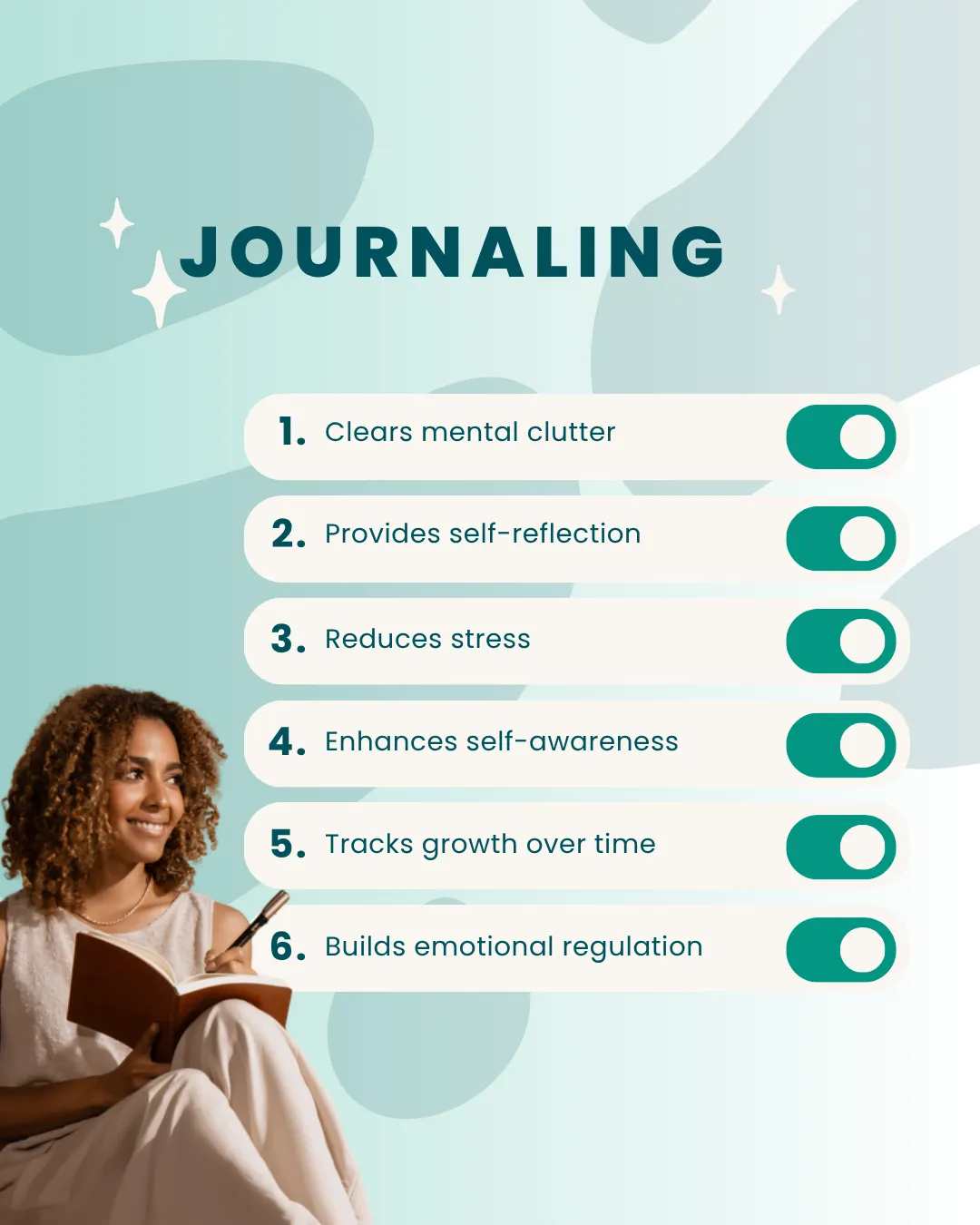
In today's fast-paced world, it can be challenging to find a moment for peace and reflection. However, one simple practice can make a significant difference in our mental well-being: journaling. If you have ever wondered why so many people swear by this practice, you are about to discover its surprising benefits. Let’s explore how journaling can help clear mental clutter, reduce stress, and build emotional regulation.
1. Clearing Mental Clutter
Sometimes our minds feel overwhelmed with thoughts. Journaling can act as a mental unload. By writing down your thoughts, you create space in your mind. This process helps you manage daily challenges effectively. A clear mind can enhance decision-making skills and reduce anxiety.
2. Providing Self-Reflection
Self-reflection is vital for personal growth. Journaling provides an opportunity for self-reflection by allowing you to look back on your thoughts and actions. This reflection helps you understand what is important and what needs change in your life.
3. Reducing Stress
Stress is a common part of life, but managing it is essential. Writing in a journal helps reduce stress by organizing your thoughts and feelings. When you write about what causes stress and why, you gain the ability to deal with it calmly and rationally.
4. Enhancing Self-Awareness
Understanding yourself is key to personal happiness. Journaling encourages self-awareness by helping you connect with your true self. By writing consistently, you notice patterns in your thoughts and behaviors, leading to a deeper understanding of who you are.
5. Tracking Growth Over Time
Tracking personal growth is motivating. Journaling is an excellent tool for recording changes and progress in your life. When you look back at past entries, you can see how far you've come and what you've achieved, which boosts confidence.
6. Building Emotional Regulation
Having control over your emotions is crucial for mental health. Journaling can help build emotional regulation. By expressing feelings on paper, you learn to process emotions better and respond to situations thoughtfully.
Adopting a Journaling Habit
Starting to journal requires just a notebook and a pen. Commit to setting aside time each day to write. Don’t focus on perfection; the key is consistency. Write about your day, your feelings, and anything that matters to you.
Tips for Successful Journaling
- Find a quiet spot: Choose a place where you feel comfortable and free from distractions.
- Be honest: Write what you feel, not what you think you should feel.
- Stay consistent: Try to journal at the same time every day to build a habit.
- Use prompts: If you're stuck, prompts can inspire you to write. Try starting with a question or a specific topic.
By incorporating journaling into your daily routine, you open doors to emotional clarity and personal growth. Whether you're a student facing exams or someone navigating life's challenges, journaling offers unique advantages for everyone. Start today and experience the transformative power of putting pen to paper.
