Unveiling Hidden Sources of Gluten
Unveiling Hidden Sources of Gluten
For many people, avoiding gluten is necessary for their health. Gluten is a protein found in wheat, barley, and rye. Though it is well-known among those with celiac disease or gluten sensitivity, others may not realize how many foods contain hidden gluten. It’s vital to recognize these so-called 'hidden' sources of gluten to maintain a gluten-free lifestyle effectively.
Common Foods with Hidden Gluten
Here are some everyday foods that may surprise you with their gluten content:
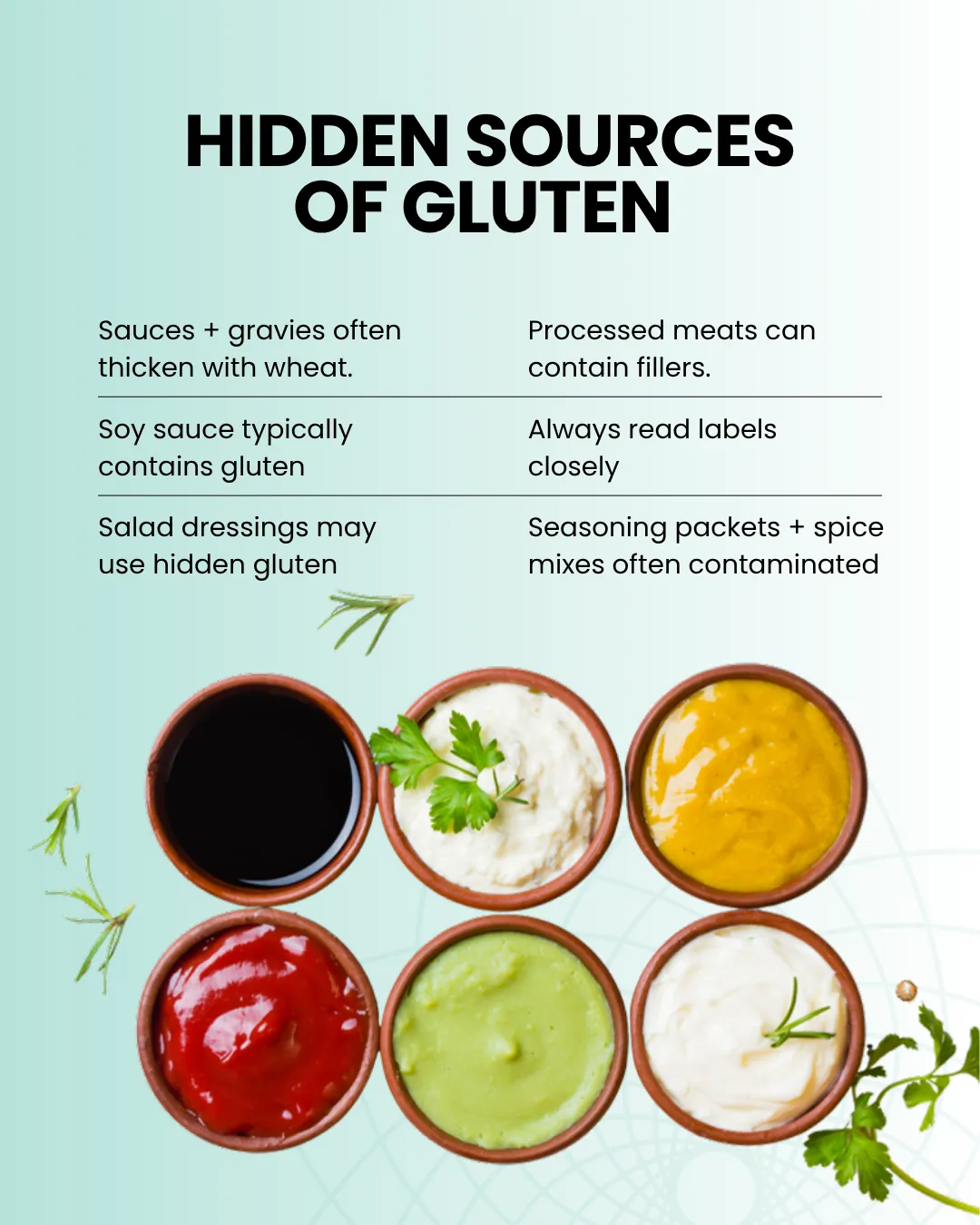
- Sauces and Gravies: Many sauces and gravies use wheat as a thickener, making them a sneaky source of gluten.
- Soy Sauce: Traditional soy sauce often contains wheat, so it's essential to look for gluten-free labeled options.
- Salad Dressings: Sometimes gluten is used as a stabilizer in salad dressings, so it’s wise to check the label or make your dressings at home.
- Processed Meats: Some processed meats might contain fillers made from gluten, especially if they're prepared or pre-packaged.
- Seasoning Packets and Spice Mixes: Gluten contamination can happen during processing, making some of these items risky for gluten-sensitive individuals.
How to Detect Gluten in Foods
Being aware of potential gluten sources is just the first step. Here are ways to ensure you're avoiding gluten effectively:
- Read Labels: Always read the ingredient lists on packaged foods. Look for specific gluten-free labels.
- Watch Out for Additives: Ingredients such as 'modified food starch' and 'malt flavoring' often indicate gluten presence.
- Consult Gluten-Free Lists: Many organizations and resources provide lists of gluten-free products.
- Seek Certified Gluten-Free Products: Certification can offer peace of mind as products undergo rigorous testing.
- Be Aware of Cross-Contamination: In shared kitchens or restaurants, understand how utensils and surfaces can transfer gluten.
Gluten-Free Alternatives
Thankfully, there are many gluten-free alternatives readily available:
- Gluten-Free Soy Sauce: Options like tamari provide that savory flavor without gluten.
- Homemade Sauces: Making sauces from scratch allows you to control ingredients and avoid gluten.
- Naturally Gluten-Free Spices: Many herbs and spices are naturally gluten-free and make safe seasoning choices.
- Fresh or Unprocessed Meats: Choosing whole cuts of meat can lower gluten exposure risks.
Choosing a Gluten-Free Lifestyle
A gluten-free lifestyle can offer numerous benefits, especially for those with gluten-related disorders. Improved digestion, increased energy, and overall body comfort are commonly reported. But ensuring complete gluten avoidance takes vigilance. It involves education, regular label reading, and sometimes sacrificing convenience for health benefits.
For anyone attempting a gluten-free diet, patience is vital. It may take some time to learn the ins and outs, but the outcomes can be rewarding as it fosters a deeper connection with one’s own nutritional needs and overall well-being.
Conclusion
Staying away from gluten can significantly enhance the quality of life for many individuals. Recognizing hidden sources of gluten is crucial for those committed to this dietary path. By being more informed and cautious with food choices, one can successfully manage their intake and continue enjoying flavorful, healthy meals.
Remember, when in doubt, always check the label, question the source, and opt for homemade when possible. Your health is worth the extra effort!
